Schedule Now for Same-Day Services
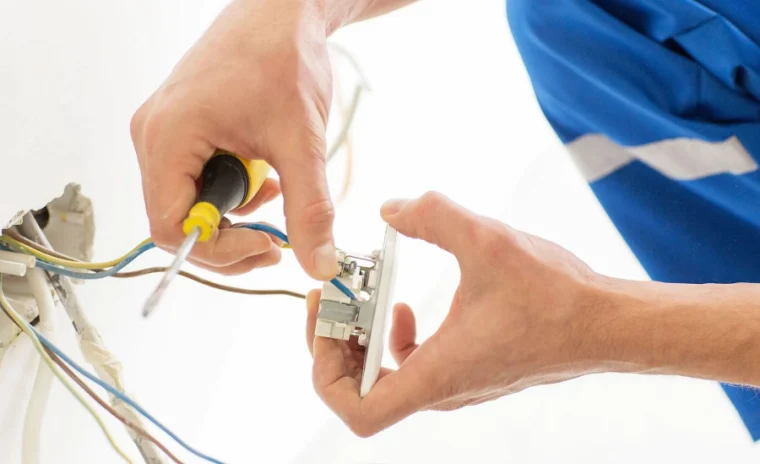
What Is a Surge Protector and How It Protects Your Home Electronics
In today’s homes, electronics and appliances are essential to daily life, from computers and TVs to smart devices and kitchen gadgets. But these devices are vulnerable to electrical spikes. This is where understanding what is a surge protector becomes crucial. Surge protectors provide a safeguard against sudden power surges that can damage electronics, saving you time, money, and frustration. This guide explains how surge protection works, its benefits, and why it’s a smart investment for any household.
1. Understanding What a Surge Protector Is
A surge protector is a device designed to shield electrical devices from voltage spikes. Power surges can occur due to lightning strikes, utility issues, or the switching on and off of high-power appliances. Surge protectors act as a buffer, redirecting excess voltage away from connected devices to prevent damage.
Unlike standard power strips, which simply provide multiple outlets, surge protectors actively defend electronics against harmful electrical fluctuations.
2. How Does a Surge Protector Work?
Many people ask, how does a surge protector work? The operation is straightforward but highly effective:
- Voltage Monitoring: The surge protector monitors the voltage flowing into connected devices.
- Diverting Excess Power: When the voltage exceeds a safe level, the surge protector diverts the excess electricity to a grounding wire.
- Absorption and Clamping: Metal oxide varistors (MOVs) inside the device absorb and clamp the excess energy, ensuring only safe voltage reaches your electronics.
This process happens in milliseconds, preventing damage that might otherwise destroy sensitive devices.
3. Common Causes of Power Surges
Surge protectors are important because power surges are more common than many people realize. Typical causes include:
- Lightning Strikes: Even if it doesn’t hit your home directly, lightning can send spikes through power lines.
- Power Grid Switching: Sudden load shifts or utility issues can create temporary voltage spikes.
- High-Power Appliances: Large devices like air conditioners or refrigerators turning on/off can cause minor surges.
- Faulty Wiring: Older or damaged electrical systems can produce irregular voltage surges.
Understanding these causes highlights why surge protection is a crucial safety measure for modern electronics.
4. Benefits of Surge Protectors
The benefits of surge protectors extend beyond just protecting devices. They include:
- Preventing Equipment Damage: Protects computers, TVs, gaming consoles, and home appliances from irreversible harm.
- Reducing Data Loss: Shields devices that store valuable information, like computers and external drives.
- Extending Device Lifespan: Consistent protection from voltage spikes reduces wear and tear on electronics.
- Peace of Mind: Offers confidence that valuable home electronics are safe during storms or electrical issues.
Investing in quality surge protectors is a cost-effective way to prevent expensive repairs or replacements.
5. Types of Surge Protectors
There are different types of surge protectors designed for specific needs:
- Basic Surge Protectors: Affordable strips with a few outlets for small electronics.
- Whole-House Surge Protectors: Installed at your electrical panel to protect the entire home.
- Smart Surge Protectors: Feature USB ports, energy monitoring, and remote control via apps.
- Specialized Units: Designed for sensitive equipment like home theaters or servers.
Choosing the right type ensures that both everyday devices and high-value electronics are adequately protected.
6. How to Choose a Surge Protector
When selecting a surge protector, consider these factors:
- Joule Rating: Higher joule ratings indicate better protection against large surges.
- Clamping Voltage: Lower clamping voltage provides faster protection.
- Number of Outlets: Ensure sufficient outlets for your devices.
- Warranty and Equipment Coverage: Many surge protectors offer protection for connected devices if the unit fails.
Choosing wisely maximizes protection and ensures long-term value.
7. Why Surge Protection Is Important
Many homeowners overlook surge protection, but understanding why surge protection is important is essential.
- Protects Expensive Electronics: TVs, computers, and appliances represent a significant investment.
- Prevents Fire Hazards: Large surges can sometimes cause overheating, leading to potential fires.
- Maintains Functionality: Even small surges can degrade electronics over time, causing malfunction or reduced performance.
- Supports Smart Homes: Protects interconnected devices in modern smart home setups, ensuring continuity and safety.
Neglecting surge protection can lead to costly repairs and downtime for essential devices.
8. Placement Tips for Surge Protectors
Where you place a surge protector affects its effectiveness:
- High-Risk Areas: Electronics near storm-prone regions or sensitive equipment benefit most.
- Centralized Locations: For multiple devices, a central surge protector reduces clutter and simplifies monitoring.
- Away from Water: Prevents accidental damage and electrical hazards.
- Direct Connections: Avoid daisy-chaining with other power strips for optimal protection.
Proper placement ensures maximum efficiency and protection for your devices.
9. Maintenance and Replacement
Surge protectors do not last forever. Signs you may need to replace a unit include:
- Indicator lights turning off or blinking
- Frequent power surges in your area
- Visible wear or damage to the unit
- After a major lightning strike or electrical storm
Regularly checking and updating surge protection ensures continuous safety for your electronics.
10. Integrating Surge Protection into Your Home
To achieve comprehensive safety:
- Combine Devices: Use a mix of basic, smart, and whole-house surge protectors.
- Educate Household Members: Ensure everyone knows the importance of connecting electronics to protected outlets.
- Professional Advice: For whole-house solutions, consult a licensed electrician to properly install surge protection at the panel.
Integrating surge protection into your home is a proactive approach that keeps electronics safe and functional.
Conclusion
Understanding what is a surge protector and how it works is critical for protecting modern electronics from sudden voltage spikes. With benefits ranging from preventing damage and extending device lifespan to safeguarding data and providing peace of mind, surge protectors are an essential addition to any home. By learning how does a surge protector work, recognizing why surge protection is important, and selecting the right device for your needs, you can protect your valuable electronics and ensure the safety of your household.